Understanding Your Skin and How to Care for It.
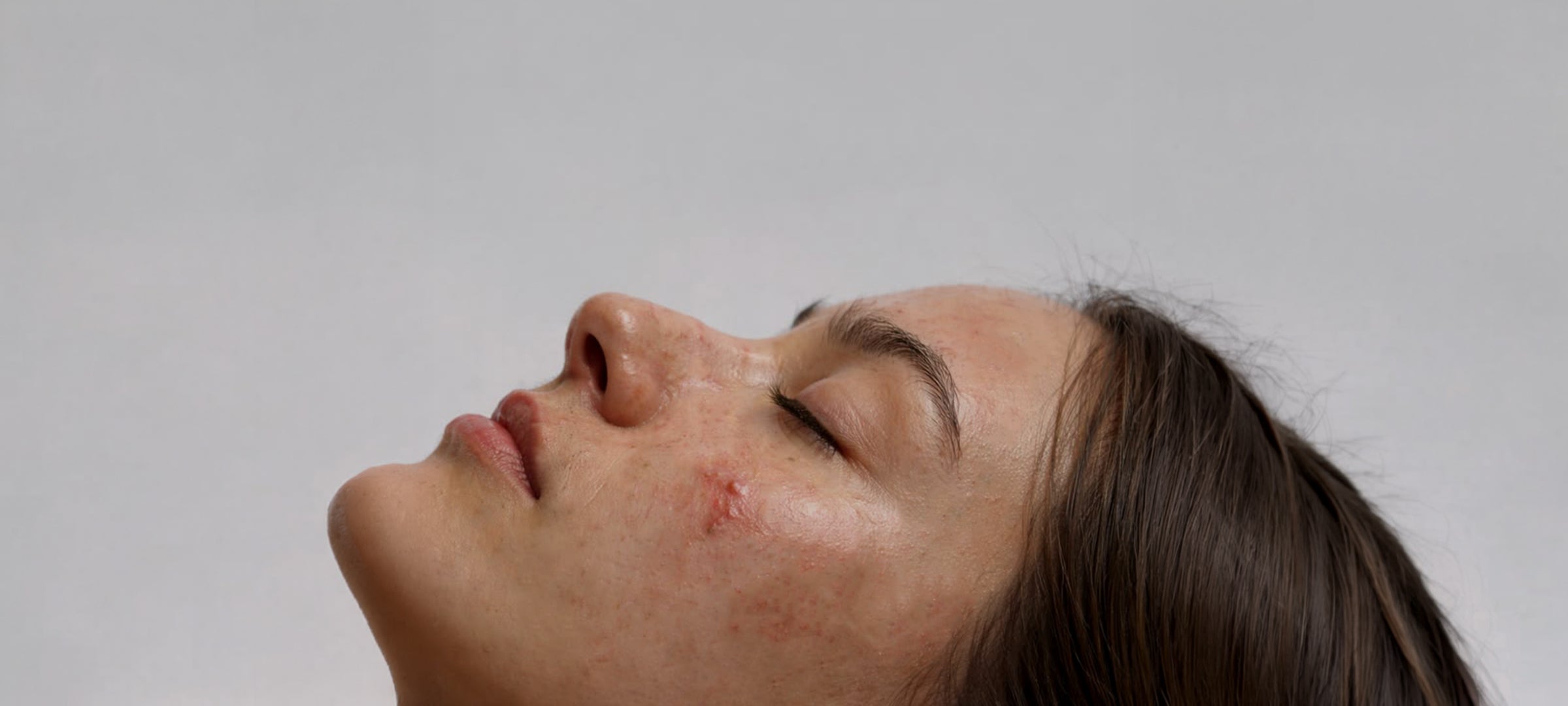
Acne and breakouts are among the most common skin concerns, affecting people of all ages. While they are often associated with teenage years, many adults also experience acne due to hormonal changes, stress, lifestyle factors, and environmental influences. Understanding why breakouts happen is the first step toward building a skincare routine that supports clearer, healthier-looking skin.
What Causes Acne and Breakouts?
Acne develops when pores become clogged with excess oil, dead skin cells, and impurities. These clogged pores create an environment where bacteria can grow, leading to inflammation and visible breakouts.
Several factors can contribute to acne, including:
Excess Oil Production
Sebum is a natural oil produced by the skin to maintain hydration and protect the skin barrier. However, when too much oil is produced, it can mix with dead skin cells and clog pores.
Hormonal Changes
Fluctuations in hormones can increase oil production and trigger breakouts. This is why acne is common during puberty, menstrual cycles, stress periods, and other hormonal changes.
Stress and Lifestyle Factors
Stress can affect the skin by influencing hormone levels and increasing inflammation. Poor sleep, an unbalanced diet, and certain habits may also contribute to the appearance of breakouts.
Skincare and Environmental Factors
Using harsh products, over-exfoliating, or not properly cleansing the skin can disrupt the skin barrier and make it more vulnerable to irritation and breakouts. Pollution and humidity can also contribute to clogged pores.
Different Types of Acne
Not all breakouts look the same. Understanding the type of acne can help you choose the right approach:
-
Whiteheads: Closed clogged pores that appear as small bumps under the skin.
-
Blackheads: Open clogged pores where oil reacts with air and becomes darker in color.
-
Papules: Small, red, inflamed bumps that may feel sensitive.
-
Pustules: Inflamed spots containing visible fluid or pus.
-
Cystic Acne: Deeper, painful breakouts that develop beneath the skin and may require professional care.
How to Care for Acne-Prone Skin
A consistent and gentle skincare routine can help maintain a healthier skin balance.
1. Cleanse Gently
A gentle cleanser helps remove excess oil, sunscreen, makeup, and daily impurities without stripping the skin. Over-cleansing can weaken the skin barrier and increase irritation.
2. Maintain Skin Barrier Health
Healthy skin is better able to protect itself. Ingredients that support hydration and barrier function can help reduce sensitivity and maintain balance.
3. Avoid Over-Treating Your Skin
Using too many active ingredients at once can cause dryness, redness, and irritation. A simple routine with carefully selected products is often more effective.
4. Protect Your Skin Daily
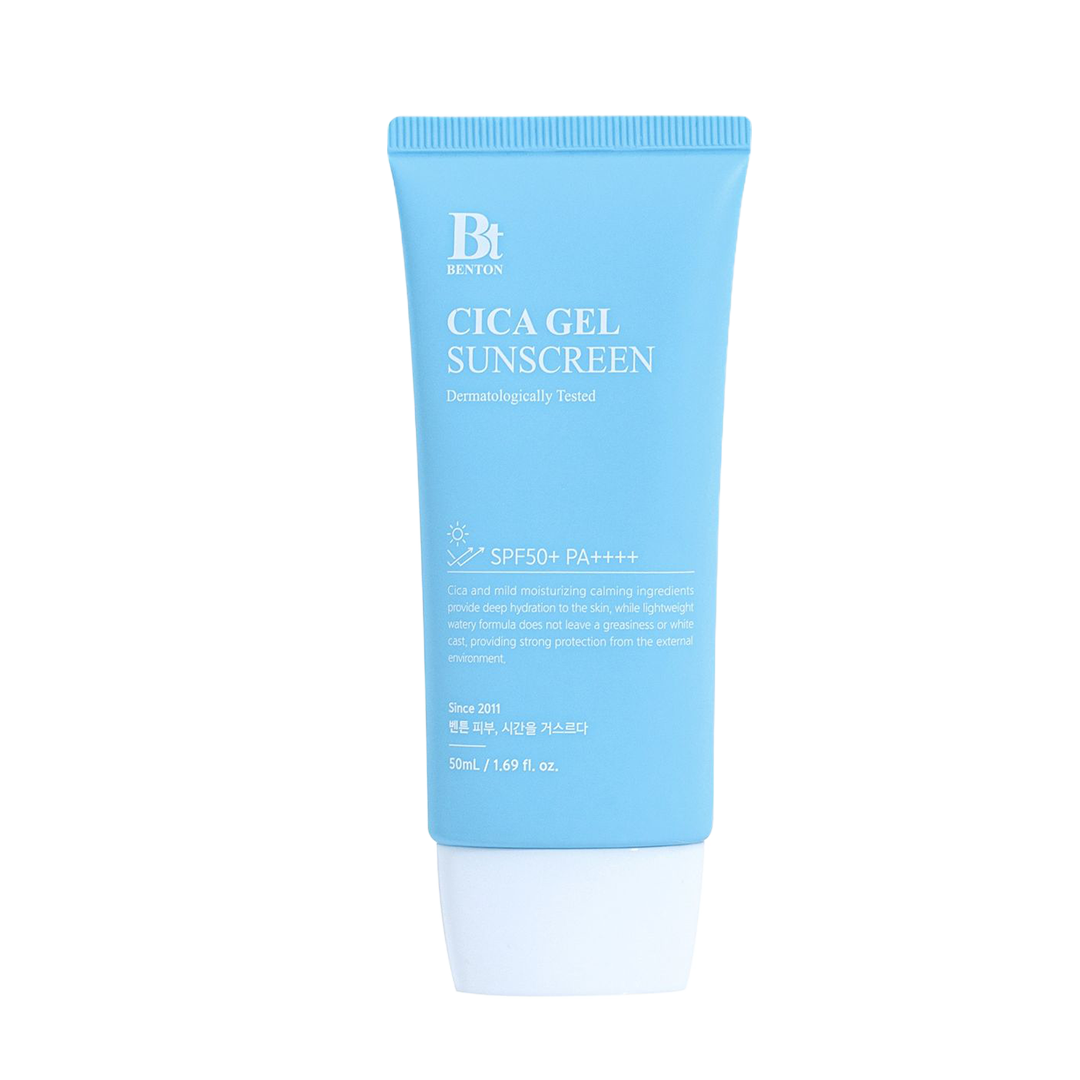
Sun protection is important for all skin types, including acne-prone skin. UV exposure can worsen post-acne marks and affect overall skin appearance.
Common Mistakes That Can Make Breakouts Worse
-
Picking or squeezing pimples, which may increase the risk of irritation and marks.
-
Using overly harsh products that damage the skin barrier.
-
Skipping moisturizer because the skin feels oily.
-
Changing products too frequently without giving them time to work.
The Importance of Patience and Consistency
Acne does not appear overnight, and improving skin texture and clarity usually requires time and consistency. A balanced routine that focuses on cleansing, hydration, barrier support, and protection can help your skin look healthier over time.
Remember that every skin type is different. What works for one person may not work for another, so understanding your skin’s needs is key to creating a routine that supports long-term skin health.
Give Your Skin What It Actually Needs
Acne and breakouts are not just surface-level concerns, they are influenced by the relationship between your skin barrier, hormones, lifestyle, and environment. By treating your skin gently, maintaining a balanced routine, and choosing suitable products, you can support clearer, healthier-looking skin while respecting its natural balance.