Why Your Skin Doesn't Feel as Firm as It Used To
One day, your skin looks healthy and firm. Then, almost without noticing, it begins to feel different.
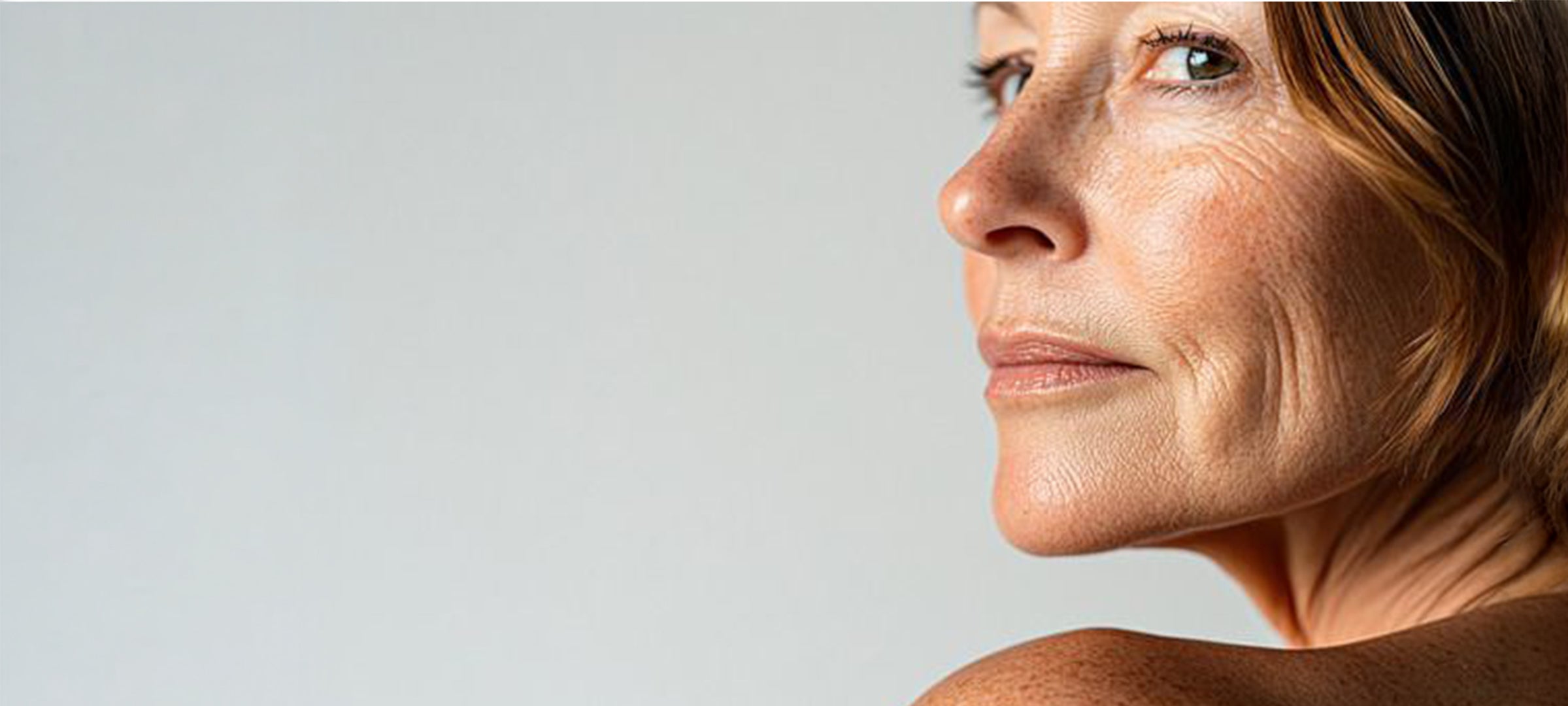
Your jawline isn't quite as defined. Fine lines linger after you smile. Your skin doesn't bounce back the way it once did, and it starts to lose its youthful firmness.
While aging is a natural part of life, many of the visible changes associated with aging are linked to one key factor: the gradual loss of skin elasticity.
Understanding why this happens is the first step toward protecting your skin and preserving a healthier, more youthful appearance.
What Is Skin Elasticity?
Skin elasticity is your skin's ability to stretch and return to its original shape.
This natural "bounce-back" effect is maintained by a network of structural proteins found deep within the skin, primarily collagen and elastin.
- Collagen provides strength and structure.
- Elastin allows the skin to stretch and snap back into place.
When these proteins are abundant and healthy, skin appears firm, smooth, and resilient.
As their production slows over time, the skin gradually becomes thinner, weaker, and less able to recover from everyday movement and environmental stress.
Why Does Skin Lose Elasticity?
Loss of elasticity doesn't happen overnight. It develops gradually as a result of both natural aging and external factors that damage the skin over time.
Natural Aging
Beginning in our mid-to-late twenties, collagen production naturally starts to decline. As the years pass, the skin also produces less elastin and fewer essential lipids, making it more difficult to maintain firmness and hydration.
This gradual process is completely normal—but it can be accelerated by lifestyle and environmental factors.
Sun Exposure
Ultraviolet (UV) radiation is one of the leading causes of premature skin aging.
Repeated sun exposure breaks down collagen and elastin fibers faster than the body can replace them, leading to wrinkles, sagging, uneven texture, and pigmentation.
This process, known as photoaging, can make skin appear older than its actual age.
Pollution and Environmental Stress
Every day, your skin is exposed to pollutants, smoke, and other environmental aggressors that generate free radicals.
These unstable molecules damage healthy skin cells, weaken collagen fibers, and accelerate visible signs of aging.
Lifestyle Habits
Smoking, poor sleep, chronic stress, excessive alcohol consumption, and an unbalanced diet can all affect the skin's ability to repair itself and maintain healthy collagen levels.
Over time, these habits may contribute to dullness, loss of firmness, and premature wrinkles.
A Weakened Skin Barrier
A compromised skin barrier allows moisture to escape more easily, leaving the skin dry and vulnerable.
Dehydrated skin often makes fine lines appear deeper and reduces the skin's natural plumpness, making the loss of elasticity even more noticeable.
The Signs of Aging You May Notice First
Loss of elasticity doesn't always begin with deep wrinkles.
Often, the earliest signs include:
- Skin that feels less firm than before
- Fine lines that remain visible after facial expressions
- Reduced skin "bounce"
- Sagging around the cheeks or jawline
- Crow's feet around the eyes
- A less defined facial contour
- Dull or tired-looking skin
- Enlarged pores due to reduced skin support
These changes usually develop gradually, making them easy to overlook until they become more pronounced.
What Happens If You Ignore It?
Aging cannot be stopped—but without proper care, the processes that contribute to visible aging can accelerate.
As collagen and elastin continue to decline, the skin may experience:
- More noticeable wrinkles
- Increased sagging
- Loss of facial volume
- Uneven skin texture
- Slower skin repair
- Reduced resilience against environmental damage
The earlier you begin supporting your skin, the easier it is to maintain its strength, firmness, and healthy appearance over time.
Why Anti-Aging Isn't Just About Wrinkles
Many people think anti-aging skincare is simply about reducing the appearance of wrinkles.
In reality, healthy-looking skin depends on much more than smoothness.
It relies on maintaining a strong skin barrier, supporting collagen production, protecting against oxidative stress, and preserving long-lasting hydration.
When these systems work together, the skin appears firmer, brighter, and more resilient—not because aging has stopped, but because the skin is functioning at its best.
Prevention Is More Powerful Than Correction
Visible signs of aging become harder to reverse once collagen loss is advanced.
Supporting your skin before significant changes occur can help slow the appearance of fine lines, improve firmness, and maintain a healthier complexion for longer.
Daily sun protection, antioxidant-rich skincare, hydration, and ingredients that help support collagen and the skin barrier all play an important role in maintaining youthful-looking skin.
Give Your Skin the Support It Deserves
Aging is inevitable, but premature aging isn't.
Choosing skincare that helps strengthen the skin barrier, defend against environmental damage, deeply hydrate, and support the skin's natural renewal process can help preserve firmness and elasticity over time.
Healthy skin isn't about looking younger overnight—it's about giving your skin the support it needs to stay strong, resilient, and radiant through every stage of life.